
Semaglutide
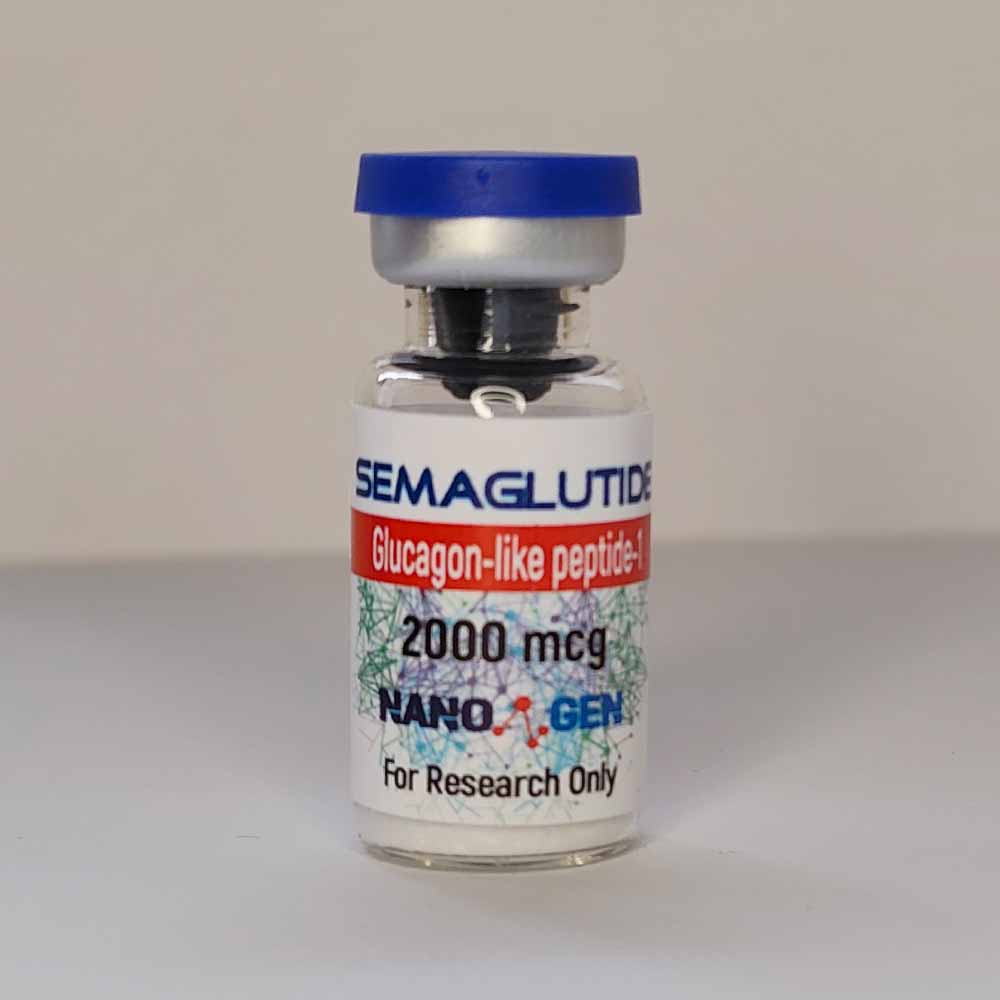
What Is Semaglutide?
Semaglutide is an active ingredient used in a number of products. It is not the name of one specific medicine, but the active component it contains.
Several products are based on semaglutide, including Ozempic, Wegovy, and Rybelsus. Depending on the formulation and intended use, they may be used to help manage blood glucose levels or support weight loss.
How Does Semaglutide Work?
Semaglutide mimics the effects of GLP-1, a natural hormone released in the intestines after eating. This hormone signals that food has been consumed and helps regulate appetite and blood glucose levels.
- Reduces hunger. A person may feel less hungry and find it easier to control how much they eat.
- Helps you feel full sooner. A smaller portion may be enough to create a feeling of fullness.
- Helps fullness last longer. Food leaves the stomach more slowly, so the desire to eat again may return later.
- Supports blood glucose control. When glucose levels rise, semaglutide supports insulin release and reduces glucagon secretion.
In simple terms: semaglutide may help reduce hunger, promote earlier fullness, and help that feeling of fullness last longer.
What Is GLP-1?
GLP-1, or glucagon-like peptide-1, is a natural hormone produced in the intestines. It is released after eating and sends a signal of fullness to the brain.
GLP-1 also helps the body regulate blood glucose levels. Natural GLP-1 acts for only a short time, while semaglutide mimics its effects and remains active for considerably longer.
Potential Benefits of Semaglutide
- may reduce hunger and the urge to snack frequently;
- may help you feel full sooner;
- may make portion control easier;
- may reduce cravings for sweet and high-calorie foods;
- may support gradual weight loss;
- may help maintain weight loss;
- supports more stable blood glucose levels;
- may reduce the risk of serious cardiovascular complications in certain groups of people.
Semaglutide for Weight Loss and Weight Management
Semaglutide does not burn fat directly. It helps regulate appetite, promotes earlier fullness, and may make it easier to eat less.
When a person consistently consumes fewer calories, the body gradually begins to use stored energy. This can lead to weight loss.
Weight loss usually occurs gradually. Semaglutide may make it easier to follow a suitable eating plan, while physical activity can support the results and help preserve muscle mass.
Who May Be Interested in Semaglutide?
Semaglutide may be of interest to people who find it difficult to control their appetite, portion sizes, or frequent snacking.
- people who are overweight or living with obesity;
- people who find it difficult to lose weight through diet and physical activity alone;
- people who frequently experience strong hunger or tend to overeat;
- people with prediabetes or type 2 diabetes;
- people who want not only to lose weight but also to manage it more easily over time.
Side Effects of Semaglutide
The most common side effects involve the digestive system. They are often more noticeable when treatment begins or after the dose is increased.
Most common side effects:
- nausea;
- vomiting;
- diarrhea or constipation;
- abdominal pain, heaviness, or discomfort;
- bloating, gas, belching, or heartburn;
- headache, weakness, or dizziness.
Less common but serious reactions:
- inflammation of the pancreas;
- gallbladder problems;
- dehydration caused by prolonged vomiting or diarrhea;
- very low blood glucose when combined with certain diabetes medicines;
- worsening vision in people with diabetic retinal disease;
- a severe allergic reaction.
How Is Semaglutide Used?
Injectable semaglutide is usually administered under the skin once a week, preferably on the same day each week. The injection may be given in the morning or evening, regardless of meals.
Suitable injection sites include:
- the abdomen;
- the front of the thigh;
- the upper arm.
The injection site should be changed slightly each time. Semaglutide is not injected into a muscle or vein.
Semaglutide Dosage
Use usually begins with a low dose so the body can gradually adjust to the active ingredient.
- weeks 1–4: 0.25 mg once weekly;
- weeks 5–8: 0.5 mg once weekly;
- then: 1 mg once weekly;
- after that: 1.7 mg once weekly;
- the maintenance dose may be 2.4 mg once weekly.
Each dose is usually used for at least four weeks. Gradual dose escalation may help reduce the likelihood of nausea, vomiting, diarrhea, and abdominal discomfort.
Express Delivery
Express delivery of semaglutide is available to the following countries:
Delivery terms, cost, and estimated delivery time depend on the destination country and the selected shipping method.
Frequently Asked Questions About Semaglutide
1. What is semaglutide?
Semaglutide is an active ingredient used in products designed to help manage appetite, body weight, and blood glucose levels.
2. How does semaglutide support weight loss?
It may reduce hunger, help you feel full sooner, and make that feeling last longer. This can make it easier to control portion sizes and eat less.
3. How often is semaglutide used?
Injectable semaglutide is usually administered under the skin once a week, preferably on the same day each week.
4. Where is semaglutide injected?
The injection is given under the skin of the abdomen, the front of the thigh, or the upper arm. The injection site should be changed slightly each time.
5. When do results begin to appear?
The effects develop gradually. Appetite may decrease first, making eating habits easier to manage, after which body weight may begin to decrease over time.
6. What are the most common side effects?
The most common reactions include nausea, stomach heaviness, bloating, diarrhea, or constipation. They are often more noticeable at the beginning of use or after the dose is increased.
Buy Semaglutide
Semaglutide may be of interest to people who want to lose weight, reduce appetite, and gain better control over how much they eat.
Related Products
Epithalon
43.00€
CagriSEMA
76.00€
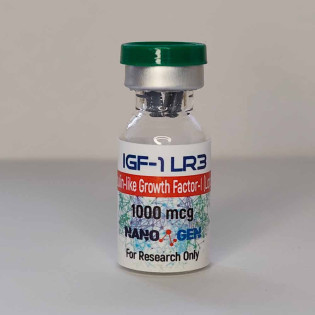
IGF-1 LR3
30.00€
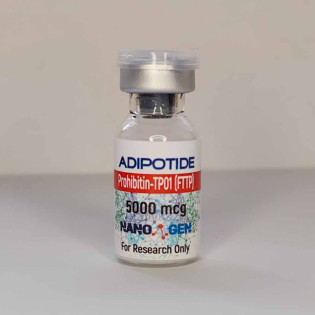
Adipotide
31.00€
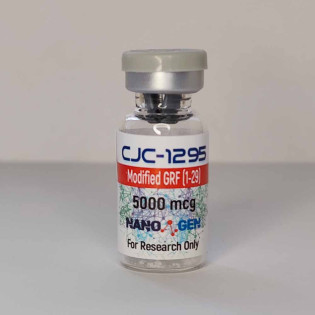
CJC-1295
18.00€
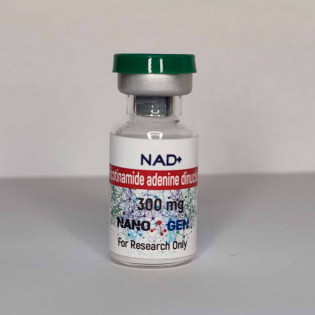
NAD⁺
38.00€
Cagrilintide
91.00€
Retatrutide
70.00€