
NAD⁺
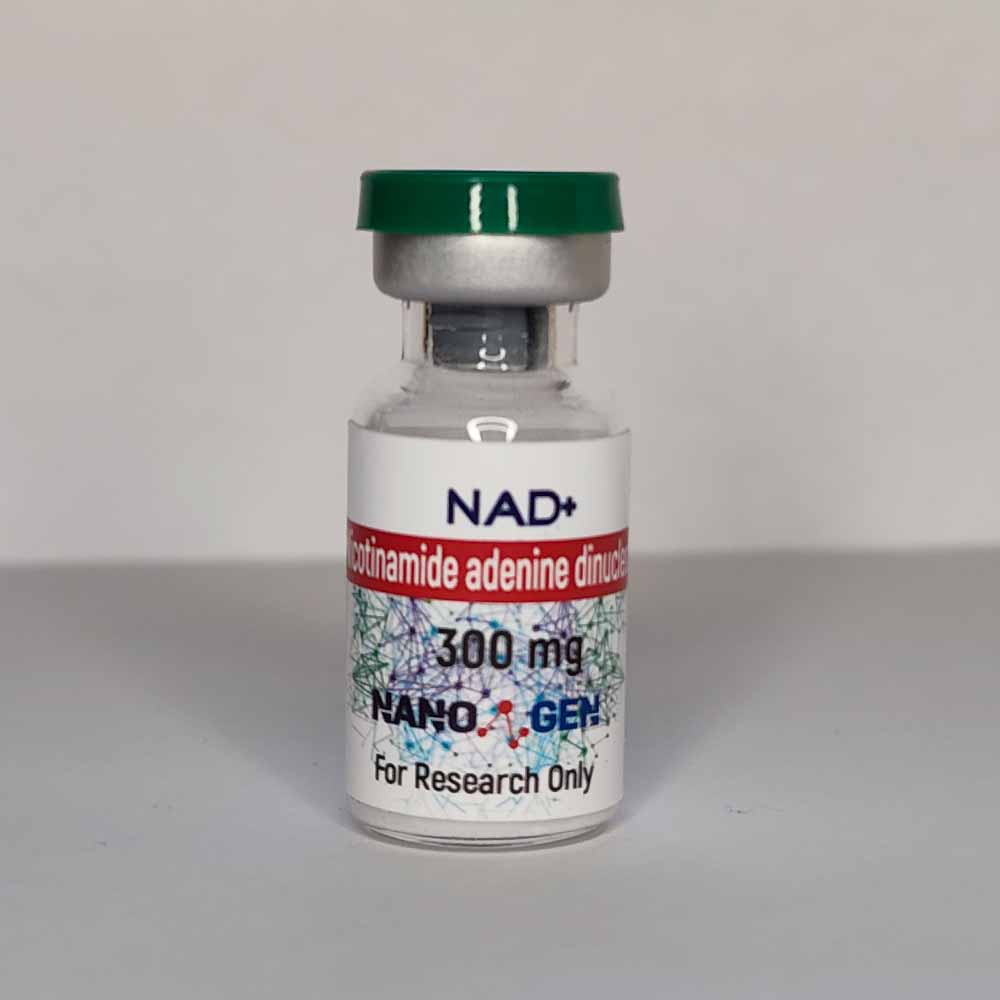
In human biochemistry, there are relatively few molecules that play such a fundamental role in cellular life that the basic processes required for the existence of an organism would be impossible without them. One of these molecules is NAD⁺ (nicotinamide adenine dinucleotide) — a universal coenzyme present in virtually all living cells on Earth.
This molecule performs a critically important function in cellular metabolism, participating in a vast number of biochemical reactions. It acts as an electron carrier, linking oxidation and reduction processes together. Thanks to this mechanism, cells are able to extract energy from nutrients and convert it into a usable form — molecules of adenosine triphosphate (ATP).
However, the role of NAD⁺ is not limited to energy metabolism. Modern research shows that nicotinamide adenine dinucleotide is also involved in gene activity regulation, DNA damage repair, intercellular signaling, mitochondrial function, and cellular adaptation to stress.
Particular interest in NAD⁺ has emerged over the past two decades, when scientists began actively studying the connection between this molecule and aging as well as longevity. It has been discovered that NAD⁺ levels in the body gradually decline with age, which may lead to deterioration of mitochondrial function, reduced cellular energy potential, and an increased risk of age-related diseases.
Main Areas of NAD⁺ Research
Today NAD⁺ is considered one of the key molecules in research related to:
- metabolism
- mitochondrial biology
- neurodegenerative diseases
- age-related changes in the body
- longevity biology
This article examines the following topics in detail:
- what NAD⁺ is and its chemical nature
- how nicotinamide adenine dinucleotide functions inside the cell
- the differences between NAD⁺ and NADH
- where and which processes are influenced by NAD⁺
- how NAD⁺, mitochondria and energy metabolism are connected
- the role of NAD⁺ in DNA repair
- NAD⁺ participation in gene regulation
- modern scientific research linking NAD⁺ and aging
What is NAD⁺
Definition of Nicotinamide Adenine Dinucleotide
NAD⁺ (nicotinamide adenine dinucleotide) is a coenzyme present in nearly all living cells. It is one of the most important participants in oxidation-reduction reactions and plays a key role in energy metabolism.
The full chemical name of the molecule — nicotinamide adenine dinucleotide — reflects its structure and origin.
The molecule consists of two nucleotides:
- an adenine nucleotide
- a nicotinamide nucleotide
Both nucleotides are connected through a phosphate group, forming a dinucleotide structure.
A distinctive feature of NAD is that it can exist in two forms:
- NAD⁺ — oxidized form
- NADH — reduced form
These two forms create a biochemical pair that participates in electron transport inside the cell.
Why NAD⁺ Is a Coenzyme
In biochemistry, there are many enzymes that accelerate chemical reactions. However, many of them cannot function independently and require additional helper molecules. These molecules are known as coenzymes.
NAD⁺ is one of the most widespread coenzymes. It binds to enzymes and participates in the transfer of electrons between molecules. As a result, enzymatic reactions can occur much faster and more efficiently.
Chemical Structure of NAD⁺
Main Components of the Molecule
The nicotinamide adenine dinucleotide molecule consists of several key components:
- adenine
- nicotinamide
- two ribose molecules
- two phosphate groups
Adenine is a nitrogenous base that is also a component of DNA and RNA.
Nicotinamide is a derivative of vitamin B3 (niacin).
These components are connected through ribose-phosphate bonds, forming a complex biochemical structure.
The Role of Nicotinamide in the NAD Molecule
Nicotinamide is the key component of the NAD molecule because it directly participates in electron transfer.
During biochemical reactions, the nicotinamide ring can accept electrons and a proton, converting into the reduced form NADH. This mechanism forms the basis of most cellular energy processes.
How NAD⁺ Works
Basic Mechanism of Action
The function of NAD⁺ is associated with oxidation-reduction reactions.
During metabolism, organic molecules such as glucose, fatty acids, and amino acids undergo oxidation. During these reactions electrons are released.
The NAD⁺ molecule accepts these electrons and converts into NADH. NADH then transports the electrons to the mitochondrial electron transport chain, where energy synthesis occurs.
NAD⁺ and Cellular Respiration
Cellular respiration consists of several stages:
- glycolysis
- the Krebs cycle
- the electron transport chain
At each of these stages NAD plays an important role. During glycolysis glucose is broken down. In the Krebs cycle further oxidation of molecules occurs. At the final stage — the electron transport chain — electrons carried by NADH are used to synthesize ATP.
Difference Between NAD⁺ and NADH
Oxidized and Reduced Forms
NAD can exist in two states:
- NAD⁺ — oxidized form that accepts electrons
- NADH — reduced form containing additional electrons
Biochemical Cycle
The transformation cycle occurs as follows:
NAD⁺ accepts electrons → becomes NADH → NADH transfers electrons → NAD⁺ is regenerated.
This cycle occurs millions of times in every cell.
Where and How NAD⁺ Functions
Energy Metabolism
One of the primary functions of NAD is participation in energy production. The energy required by cells is stored in ATP molecules. NAD participates in reactions that lead to the formation of these molecules.
Carbohydrate Metabolism
NAD participates in glycolysis — the process of glucose breakdown that supplies cells with energy.
Lipid Metabolism
Fatty acids can also be used as a source of energy. NAD participates in their oxidation, a process that occurs in mitochondria.
Amino Acid Metabolism
Amino acids can also participate in energy metabolism, and NAD takes part in the reactions that convert them.
NAD⁺ and Mitochondria
Mitochondria are cellular organelles responsible for energy production. They are often referred to as the power plants of the cell.
Most cellular energy is produced in mitochondria, and NAD plays a key role in their function by transferring electrons to the electron transport chain, which ultimately leads to ATP synthesis.
NAD⁺ and DNA Repair
Cellular DNA is constantly exposed to damage caused by factors such as:
- oxidative stress
- radiation
- replication errors
Special enzymes are responsible for DNA repair. One of these enzyme groups is PARP. These enzymes use NAD as an energy source to repair damage to genetic material.
NAD⁺ and Gene Regulation
NAD serves as a substrate for enzymes known as sirtuins. These proteins regulate gene activity and participate in:
- metabolism
- adaptation to stress
- regulation of aging
Humans possess seven different sirtuins, each performing specific functions in the cell.
FAQ – Buy NAD⁺ in Europe
Where can I buy NAD⁺ in Berlin?
Users searching for “buy NAD⁺ in Berlin” are usually looking for research-grade nicotinamide adenine dinucleotide products and scientific information about NAD metabolism.
Can I buy NAD⁺ in Paris?
Search queries such as “buy NAD⁺ Paris” are commonly related to research compounds used in studies of metabolism, mitochondrial biology and longevity.
Is NAD⁺ available in Rome?
Interest in “buy NAD⁺ Rome” typically relates to research materials connected with metabolic and biochemical studies.
Where to buy NAD⁺ in Madrid?
People searching for NAD⁺ in Madrid often explore information about the molecule and research suppliers providing biochemical compounds.
Can NAD⁺ be ordered in Amsterdam?
NAD⁺ products are often associated with scientific and biochemical research related to metabolism and mitochondrial function.
Conclusion
Nicotinamide adenine dinucleotide is one of the central molecules of cellular biochemistry. It connects energy metabolism, gene regulation, DNA repair, and cellular signaling.
Modern research continues to reveal new aspects of its role in organismal biology. Understanding the mechanisms of NAD function helps scientists better study metabolism, mitochondrial activity, and the processes of aging.
Related Products
Epithalon
43.00€
CagriSEMA
76.00€
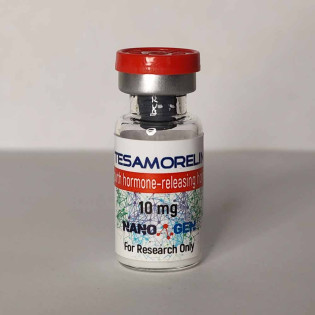
Tesamorelin
26.00€
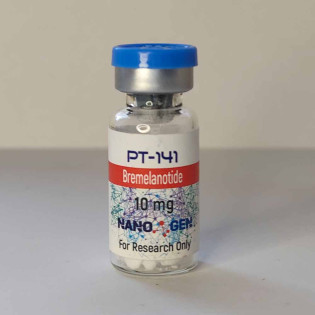
PT-141 (Bremelanotide)
25.00€
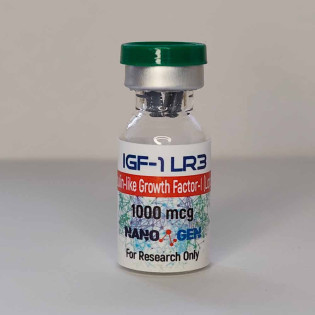
IGF-1 LR3
30.00€
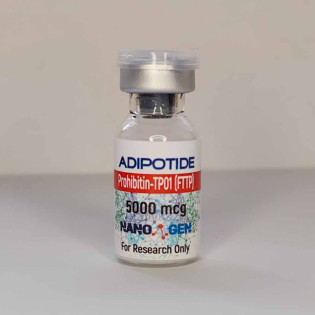
Adipotide
31.00€
CJC-1295
18.00€
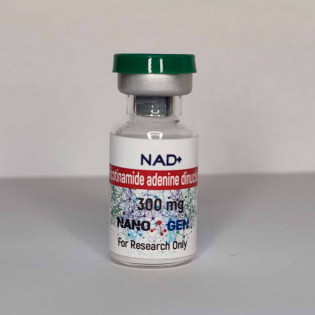
NAD⁺
38.00€
Retatrutide
70.00€
Ipamorelin
13.00€
Semaglutide
39.00€

Tirzepatide Injection pen
180.00€
5-amino-1MQ NNMT Inhibitor
33.00€