
Mitochondrial signalling peptide MOTS-c
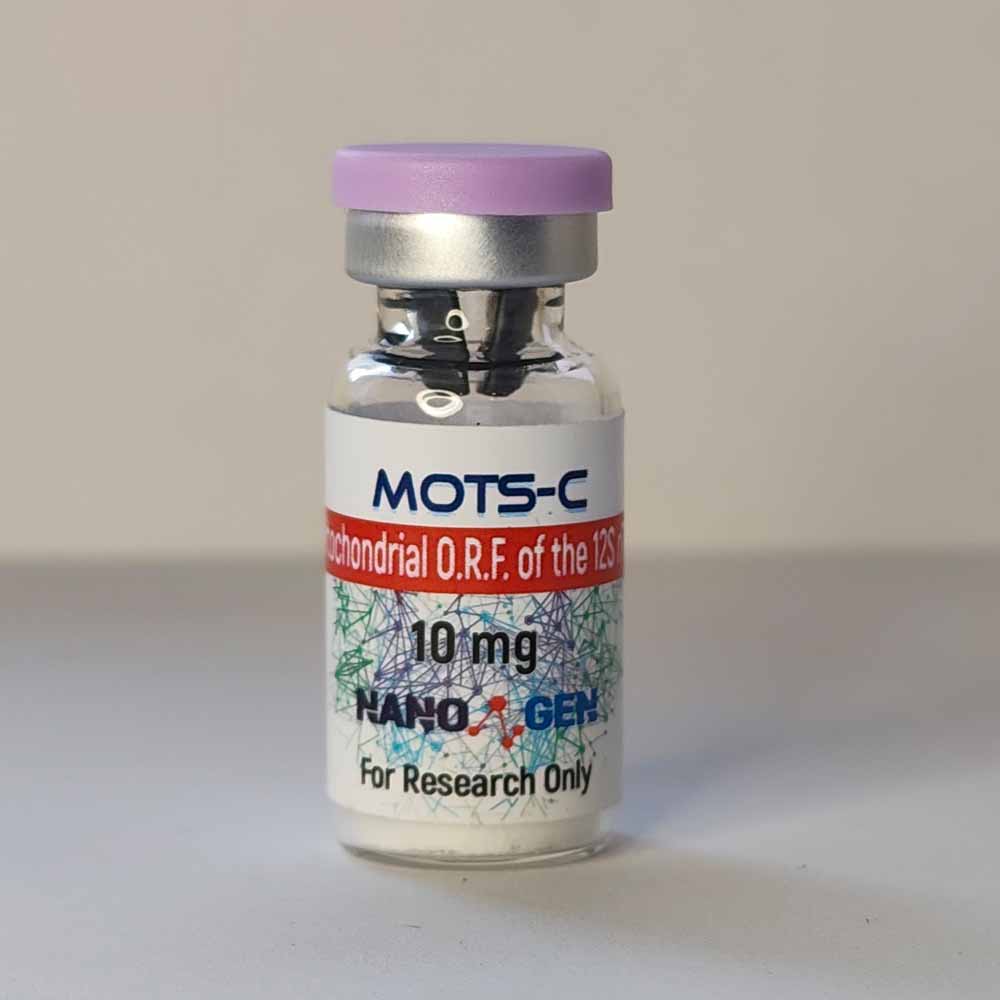
MOTS-c is a short peptide consisting of 16 amino acids. It is produced in the mitochondria—the energy-producing centres of our cells. Scientists are studying its potential ability to help the body use glucose more efficiently, support energy metabolism and muscle function, and adapt to physical activity.
What Is MOTS-c?
MOTS-c is a small signalling molecule encoded by mitochondrial DNA. In simple terms, it helps cells “understand” how to use energy and adapt to nutrient deficiency, physical activity, and other forms of stress.
MOTS-c and Insulin Resistance
MOTS-c helps cells use the glucose circulating in the bloodstream more efficiently. It may increase cellular sensitivity to insulin, allowing glucose to enter cells more easily and be converted into energy.
Simply put, MOTS-c does not replace insulin. Instead, it may help the body respond to insulin more effectively. This may contribute to maintaining normal blood glucose levels. MOTS-c belongs to a group of mitochondrial-derived peptides whose effects are still being studied.
MOTS-c activates AMPK, the cell’s internal energy sensor. AMPK detects when a cell is running low on energy and switches it into an energy-saving and recovery mode. It helps the cell use glucose and fats more actively for energy while temporarily slowing down processes that require large amounts of energy.
Chemical Structure of MOTS-c
MOTS-c is a short linear chain composed of 16 amino acids linked by peptide bonds.
Amino acid sequence: MRWQEMGYIFYPRKLR
Molecular formula: C₁₀₁H₁₅₂N₂₈O₂₂S₂
Molecular weight: approximately 2,174.6 Da
Potential Properties of MOTS-c
Supports Energy Production
MOTS-c is involved in processes that help cells convert nutrients into energy for everyday activity.
Supports Glucose Metabolism
The peptide may help cells use glucose from the bloodstream as a source of energy.
May Improve Insulin Sensitivity
MOTS-c is being studied for its potential ability to help cells respond more effectively to insulin and regulate blood glucose levels more efficiently.
Activates AMPK
AMPK is the cell’s internal energy sensor. When AMPK is activated, the body begins to use glucose and stored fat more efficiently.
Supports Muscle Function
MOTS-c is being investigated for its possible effects on endurance, muscle energy supply, and recovery after physical activity.
Helps the Body Adapt to Physical Stress
The peptide may support normal cellular function during physical activity, energy deficiency, and exposure to various stress factors.
The properties of MOTS-c are still being studied. The information provided does not confirm or guarantee any therapeutic effect.
What Is MOTS-c Used For?
Energy Metabolism
MOTS-c may help cells use nutrients more efficiently and convert them into energy.
Glucose Metabolism
The peptide is being studied for its potential ability to help cells absorb glucose more effectively and use it as an energy source.
Insulin Sensitivity
MOTS-c may help cells respond more effectively to insulin, making it easier for the body to regulate blood glucose levels.
Muscle Energy and Physical Performance
MOTS-c is being studied for its possible effects on muscle energy supply and the body’s ability to adapt to physical activity.
Fat Metabolism
The peptide is being investigated for its potential role in the use of stored fat and the maintenance of normal metabolic function.
Protection Against Cellular Stress
MOTS-c may help cells adapt to energy deficiency, physical exertion, and oxidative stress.
MOTS-c remains an experimental peptide. Its properties, safety, and effectiveness in humans are still being studied.
How Is MOTS-c Injected?
Subcutaneous administration is the main method currently being studied in humans. Subcutaneous administration has been specified in a registered clinical study of MOTS-c involving diabetes and excess body weight.
However, there is currently no established standard MOTS-c dosage for humans.
What Forms and Variants of MOTS-c Are Available?
MOTS-c is available in several forms and modified variants. They differ in their chemical composition, intended method of use, and level of scientific research. Therefore, it is important not to confuse them.
Natural MOTS-c
Natural MOTS-c is the original human peptide consisting of 16 amino acids. When MOTS-c is mentioned without any additional clarification, this is usually the form being referred to.
Injectable MOTS-c
Injectable MOTS-c is a solution intended for subcutaneous administration. This method of administration is being studied in clinical research.
MOTS-c Free Base
MOTS-c free base is the free chemical form of the peptide, meaning that it is not bound to an additional salt. It may be used in the preparation of research formulations.
MOTS-c Acetate
MOTS-c acetate is the same MOTS-c peptide presented as an acetate salt. This form may be more convenient for manufacturing, dissolution, and storage.
However, the acetate form does not turn MOTS-c into a different peptide, nor does it automatically make it stronger or more effective.
CB4211
CB4211 is a modified analogue of MOTS-c. Its structure has been altered to produce specific pharmacological properties.
CB4211 has been studied as a subcutaneous injection, but it should not be considered identical to other forms of MOTS-c or used according to the same protocols.
MP
MP is another modified analogue of MOTS-c. It was developed to penetrate cells more easily.
Intranasal and intravenous administration of MP has primarily been investigated in animal studies.
Based on the available information, free base and acetate are chemical forms of standard MOTS-c, while CB4211 and MP are separate modified analogues. All of these variants remain the subject of scientific research and should not be considered interchangeable.
Alternative Names for MOTS-c
This description provides a detailed explanation of the available forms of natural MOTS-c. However, other names for MOTS-c can also be found in search results and scientific publications.
The following names and spelling variants may be used:
- MOTS-c peptide
- Mitochondrial-derived peptide MOTS-c
- Mitochondrial-encoded peptide MOTS-c
- Mitochondrial open reading frame of the 12S rRNA-c — the full scientific name of MOTS-c
- Mitochondrial ORF of the 12S rRNA type-c — an abbreviated form of the full name
- Mitochondrial signalling peptide MOTS-c — a clear descriptive name for the peptide
CB4211 and MP are not synonyms for MOTS-c. They are modified analogues of the original peptide.
How to Choose and Buy MOTS-c
Before purchasing MOTS-c, it is important to review reliable information explaining what the MOTS-c peptide is, how MOTS-c is used, and why MOTS-c is being studied in relation to weight management.
Once you have reviewed the available information and determined that the properties being studied are relevant to your research goals, you may proceed with ordering MOTS-c.
The Peptorius online store offers MOTS-c for purchase in European Union countries at competitive prices.
Related Products

GHK-Cu Copper Peptide
36.00€
Tirzepatide
69.00€
Adipotide
31.00€
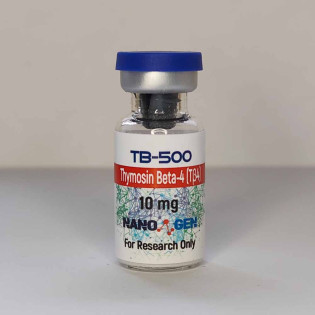
TB-500
17.00€

CJC-1295
18.00€
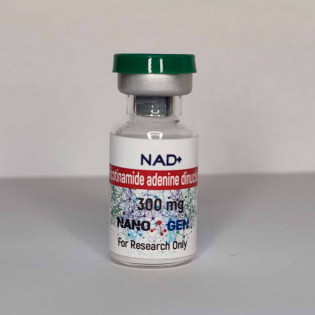
NAD⁺
38.00€
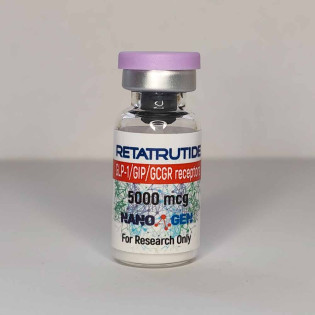
Retatrutide
70.00€
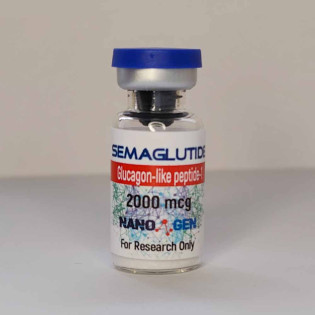
Semaglutide
39.00€
TB-500 + BPC-157
36.00€