
Tirzepatide
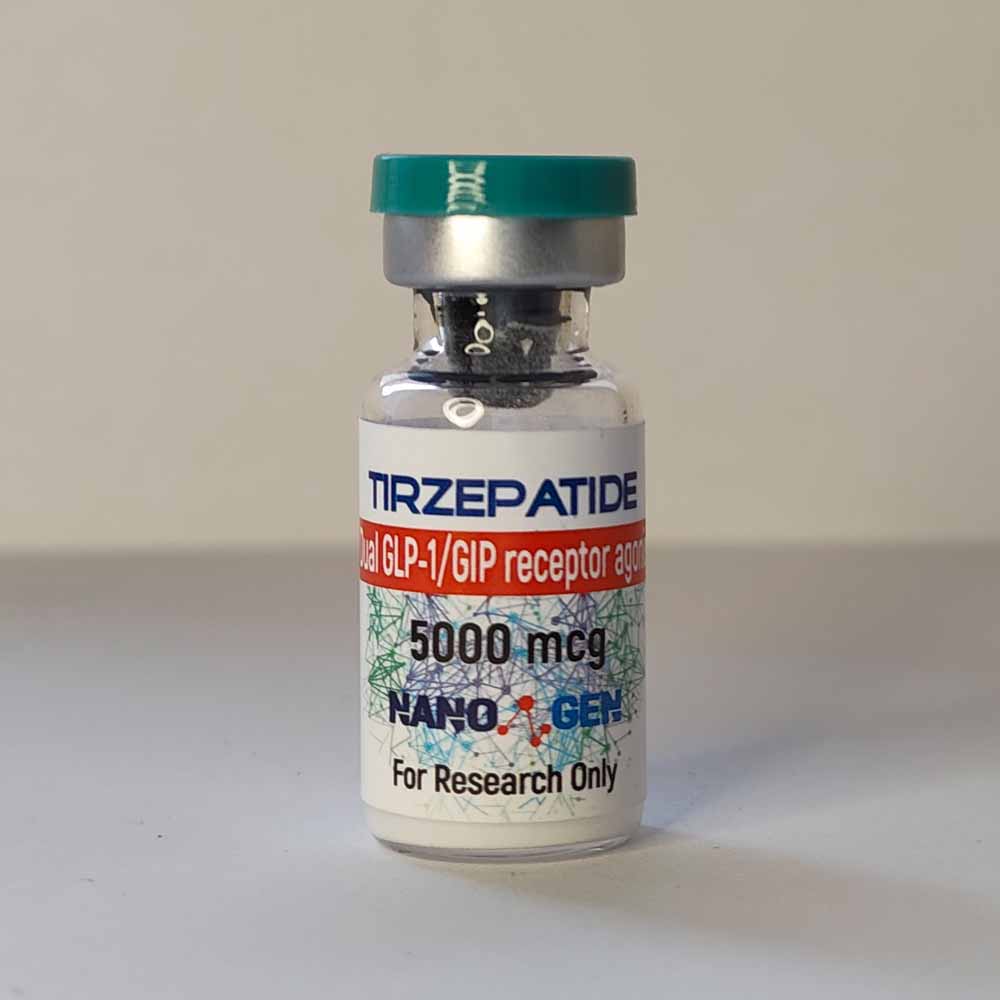
What Is Tirzepatide?
Tirzepatide is a synthetic peptide-based substance used as the active ingredient in certain medicinal products. Its action mimics the effects of two naturally occurring hormones in the body — GIP and GLP-1.
These hormones are involved in regulating appetite, satiety, blood glucose levels, and metabolic processes.
The main feature of tirzepatide is that it acts simultaneously on GIP and GLP-1 receptors. As a result, the body receives satiety signals more effectively, hunger may become less pronounced, and the feeling of fullness after meals may last longer.
Tirzepatide also helps regulate blood glucose levels. When blood sugar rises after a meal, it promotes insulin release and helps reduce processes that may contribute to excessive increases in glucose.
Tirzepatide can also slow gastric emptying, meaning that food remains in the stomach for longer and the feeling of fullness may be prolonged.
In simple terms, tirzepatide may help reduce hunger, promote earlier satiety, and make it easier to control food intake while also supporting blood glucose regulation.
Chemical Structure of Tirzepatide
Tirzepatide is an artificially created chain of amino acids, which makes it a peptide. Amino acids can be thought of as small “building blocks” used by the body to form proteins and peptide hormones.
The tirzepatide molecule consists of 39 amino acids. It was designed to resemble the natural hormone GIP, but its structure was modified so that it can act on both GIP and GLP-1 receptors.
A special fatty acid side chain is attached to the molecule. This helps tirzepatide bind to albumin, a protein found in the blood. As a result, the substance is eliminated from the body more slowly and remains active for a longer period.
In simple terms, tirzepatide is a specially modified peptide molecule made of amino acids, with an added fatty component that helps prolong its action in the body.
Tirzepatide for Weight Loss
Tirzepatide is used for weight management because of its ability to influence the mechanisms that regulate appetite, hunger, and satiety.
In the body, tirzepatide acts on the receptors of two hormones — GIP and GLP-1. These hormones help send signals to the brain indicating that the body has received enough food.
As a result, a person may feel full sooner, remain satisfied for longer after meals, and experience less desire to snack.
Tirzepatide also slows gastric emptying. Food remains in the stomach for longer, which can help prolong the feeling of fullness. This may make it easier to control portion sizes and overall calorie intake.
Weight loss with tirzepatide does not occur through direct “fat burning.” Its main effect is related to reduced hunger, improved appetite control, and an easier ability to maintain a calorie deficit.
Therefore, tirzepatide may support weight loss by helping control appetite, promoting earlier satiety, and reducing food intake.
How Tirzepatide Works for Weight Loss
Tirzepatide supports weight loss primarily by reducing appetite and helping a person feel full sooner.
After eating, the brain receives satiety signals earlier. As a result, a person may naturally eat a smaller portion and remain satisfied for longer.
Tirzepatide also slows the movement of food from the stomach into the intestine. This can help prolong the feeling of fullness and reduce the desire for frequent snacks.
Tirzepatide does not burn fat directly. Weight loss mainly occurs because it becomes easier to eat less and control overall food intake.
In simple terms, tirzepatide may help reduce body weight through three main effects: less hunger, faster satiety, and longer-lasting fullness.
What Forms of Tirzepatide Are Available?
Tirzepatide is intended for subcutaneous administration, meaning it is injected under the skin.
- Pre-filled injection pen — contains a ready-to-use tirzepatide solution for convenient administration.
- Single-dose autoinjector — a device containing one prepared dose.
- Vial with solution — a liquid form from which the required amount is drawn into a syringe.
- Powder or lyophilized form — a dry form that may be available for laboratory or research purposes. This is not a standard approved medicinal form for self-directed medical use.
In approved medicinal products, tirzepatide is generally supplied as a ready-to-use solution for subcutaneous injection. Tablets and capsules containing tirzepatide are not used in standard medical practice.
How to Use Tirzepatide
Tirzepatide is administered once weekly as a subcutaneous injection. The injection is usually given in the abdomen, thigh, or upper arm.
It is generally recommended to choose one specific day of the week and administer the injection on that same day each week.
Treatment commonly begins with a low dose of 2.5 mg once weekly. After 4 weeks, the dose is commonly increased to 5 mg once weekly.
If necessary and well tolerated, the dose may be gradually increased further under medical supervision.
Gradual dose increases allow the body to adapt and may help reduce nausea, abdominal discomfort, and other gastrointestinal side effects.
Main Properties of Tirzepatide
Reduced Appetite
Tirzepatide affects areas of the brain involved in hunger regulation. As a result, the desire to eat may become less pronounced, making food intake easier to control.
Faster Satiety
The feeling of fullness may occur earlier during a meal. A smaller portion may therefore be enough for a person to feel satisfied.
Longer-Lasting Fullness
Tirzepatide slows gastric emptying. Food remains in the stomach for longer, which may prolong satiety and reduce the desire for frequent snacks.
Blood Glucose Control
When blood glucose rises after eating, tirzepatide helps the body release an appropriate amount of insulin, supporting more effective blood sugar regulation.
Reduced Excess Glucose Production
Tirzepatide can reduce glucagon activity. Glucagon is a hormone that can increase blood glucose levels, so this effect may help support more stable glucose levels.
Support for Weight Loss
Tirzepatide is not a direct “fat burner.” Weight reduction mainly occurs because hunger decreases, satiety occurs sooner, and it becomes easier to consume less food.
Dual GIP and GLP-1 Action
The main distinguishing feature of tirzepatide is its simultaneous action on GIP and GLP-1 receptors.
Overall, the main properties of tirzepatide are associated with reduced appetite, prolonged satiety, improved blood glucose control, and support for body weight reduction.
Side Effects of Tirzepatide
Tirzepatide may cause side effects, especially at the beginning of treatment or after the dose is increased.
The most common side effects include:
- nausea;
- vomiting;
- diarrhea;
- constipation;
- abdominal pain or heaviness;
- heartburn and belching;
- reduced appetite;
- weakness.
Less commonly, more serious reactions may occur, including pancreatitis, gallbladder problems, dehydration, and severe allergic reactions.
Who May Be Interested in Tirzepatide?
Tirzepatide is most commonly of interest to people looking for modern approaches to weight management, appetite control, and blood glucose regulation.
People who may be interested in tirzepatide include:
- individuals who are overweight or have obesity;
- people who find it difficult to control appetite and portion sizes;
- individuals who frequently experience hunger or cravings for snacks;
- patients with type 2 diabetes who have been prescribed tirzepatide by a healthcare professional;
- people who are familiar with GLP-1-based treatments and are interested in dual GIP + GLP-1 activity;
- individuals researching modern approaches to weight management and metabolic health.
Related Products
CagriSEMA
76.00€
Tesamorelin
26.00€
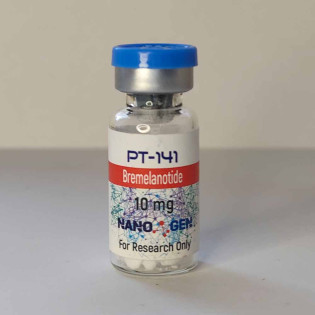
PT-141 (Bremelanotide)
25.00€
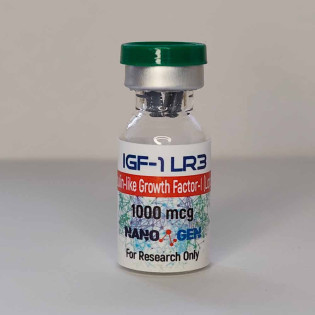
IGF-1 LR3
30.00€
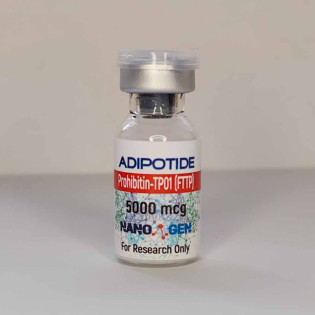
Adipotide
31.00€
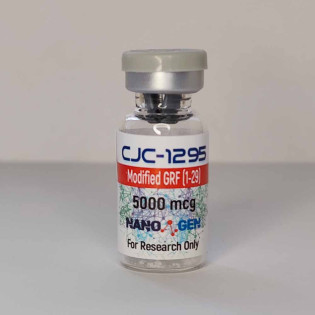
CJC-1295
18.00€
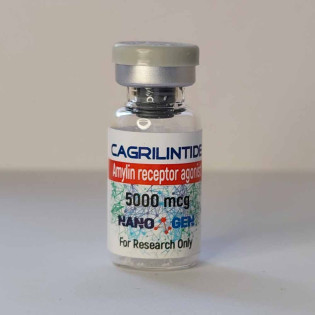
Cagrilintide
91.00€