
PT-141 (Bremelanotide)
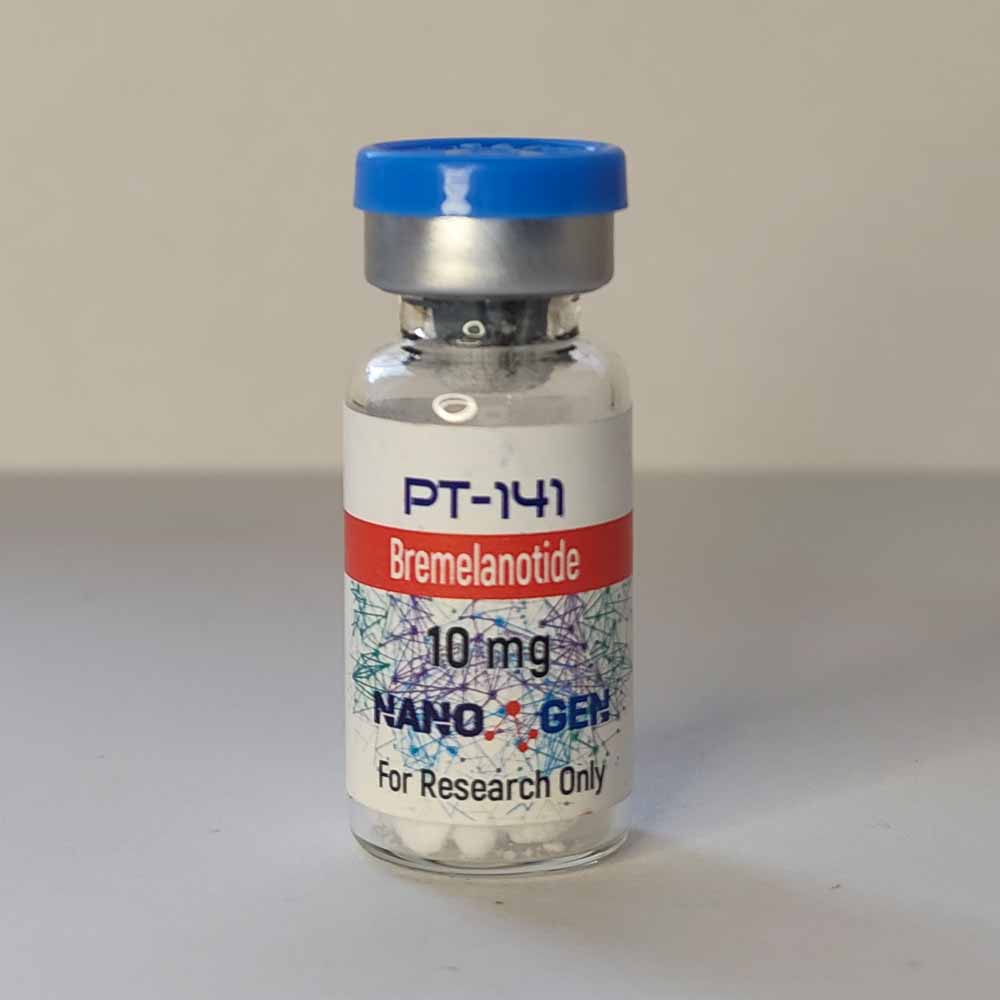
PT-141 (Bremelanotide)
- Brand: Apple
- Product Code: PT-141
- Availability: In Stock
- 25.00€
- Ex Tax: 25.00€
PT-141, widely known in scientific literature as bremelanotide, is a synthetic peptide belonging to the class of melanocortin receptor agonists. Over the past two decades, this compound has attracted significant attention from researchers working in the fields of neurobiology, endocrinology, and metabolic science. The increased interest in PT-141 is largely associated with its ability to interact with central nervous system pathways related to motivational behavior, neuroendocrine signaling, and melanocortin receptor activity.
Unlike many compounds that exert their primary effects through peripheral physiological mechanisms, PT-141 acts predominantly within the central nervous system. By interacting with melanocortin receptors located in the brain, particularly in the hypothalamus and associated neuronal circuits, this peptide can influence complex regulatory systems responsible for behavioral responses, hormonal signaling, and metabolic coordination.
The melanocortin signaling system represents a broad regulatory network integrating numerous physiological functions. These include appetite regulation, stress responses, endocrine communication, pigmentation, and behavioral motivation. Due to this wide range of biological influence, melanocortin receptor agonists such as PT-141 have become valuable tools for researchers seeking to better understand how neurochemical pathways regulate complex physiological processes.
Scientific investigation of PT-141 originated from earlier studies of melanocortin peptides derived from natural hormones. Researchers studying analogs of α-melanocyte-stimulating hormone (α-MSH) discovered that specific structural modifications could lead to compounds with enhanced receptor activity and improved biological stability. PT-141 emerged as one of the most extensively studied melanocortin analogs within this line of research.
Today, PT-141 is widely discussed in scientific publications related to neuroendocrine signaling and melanocortin receptor biology. Understanding its molecular properties, mechanisms of action, and experimental findings provides valuable insights into how peptide compounds can influence neuronal and physiological systems.
What This Compound Is
PT-141 is a synthetic cyclic peptide developed as a derivative of melanocortin hormones. Structurally, the compound is related to natural peptides involved in the melanocortin signaling system. These natural peptides originate from the precursor molecule proopiomelanocortin (POMC), from which several biologically active hormones are derived, including adrenocorticotropic hormone (ACTH) and α-melanocyte-stimulating hormone.
Researchers studying melanocortin hormones discovered that certain analogs can effectively interact with melanocortin receptors located in various tissues throughout the body. These receptors form a family of G-protein-coupled receptors that regulate numerous physiological processes. By modifying the structure of melanocortin peptides, scientists were able to create compounds with increased receptor affinity and greater resistance to enzymatic degradation.
PT-141 was developed as one of these optimized peptide analogs. It acts primarily as a melanocortin receptor agonist, meaning that it activates specific melanocortin receptors rather than blocking them. This activation triggers intracellular signaling cascades that influence neuronal activity and endocrine responses.
Melanocortin receptors are distributed throughout various tissues of the body; however, many of the receptor populations most relevant to the activity of PT-141 are located in the brain. Within the central nervous system, melanocortin signaling participates in the regulation of appetite, reward-related behavioral responses, hormonal balance, and autonomic nervous system functions.
Because PT-141 structurally originates from natural melanocortin peptides but has been modified to enhance stability and receptor activity, it represents an example of how modern peptide chemistry can modify biological signaling molecules for research purposes.
Molecular Characteristics
PT-141 belongs to the class of synthetic cyclic peptides. Cyclic peptides are characterized by a molecular structure in which the peptide chain forms a closed ring rather than remaining linear. This cyclic configuration often enhances the biological stability of the molecule and may increase receptor-binding specificity.
The compound has the chemical formula:
C50H68N14O10
PT-141 contains several amino acid residues arranged in a cyclic configuration. The peptide was designed to mimic key structural features of melanocortin hormones while simultaneously increasing resistance to enzymatic degradation in biological environments. These structural modifications allow the peptide to retain activity long enough to effectively interact with target receptors.
One of the defining molecular features of PT-141 is its ability to interact with several members of the melanocortin receptor family. The melanocortin receptor group includes five known subtypes:
- MC1R — associated with pigmentation processes
- MC2R — involved in adrenal hormone regulation
- MC3R — associated with energy balance and metabolic signaling
- MC4R — involved in appetite regulation and central nervous system signaling
- MC5R — involved in the functioning of exocrine glands and additional regulatory processes
According to research, PT-141 most actively interacts with MC3R and MC4R receptors. These receptor subtypes play important roles in neuronal circuits regulating behavioral motivation, appetite, and endocrine responses.
Interaction between PT-141 and melanocortin receptors activates intracellular signaling pathways associated with cyclic adenosine monophosphate (cAMP). These signaling cascades alter patterns of neuronal activity and contribute to subsequent physiological responses.
Because PT-141 functions as a peptide ligand of melanocortin receptors, its biological activity is strongly dependent on its three-dimensional conformation. Even minor structural modifications in the peptide can significantly influence receptor affinity and functional outcomes. For this reason, the development of cyclic peptides has become a key area of research in melanocortin science.
Mechanism of Action
The mechanism of action of PT-141 is associated with activation of melanocortin receptors in the central nervous system. After binding to receptor sites, the peptide stimulates intracellular signaling pathways that modify neuronal communication in brain regions associated with behavioral and endocrine regulation.
The hypothalamus is one of the primary regions where melanocortin receptor activation occurs. This brain structure functions as a central regulatory hub coordinating endocrine signals, autonomic nervous system responses, and behavioral motivational processes.
When melanocortin receptors in hypothalamic neurons are activated, multiple downstream processes may occur. These may include modulation of neurotransmitter release, alterations in neuronal firing patterns, and activation of secondary signaling molecules. Through these mechanisms, melanocortin receptor stimulation can influence broader physiological responses.
Another important element of the PT-141 mechanism involves interaction with neuronal circuits associated with motivation and the reward system. Dopaminergic pathways located within structures of the limbic system and midbrain play a key role in shaping motivational behavior. Melanocortin signaling may indirectly influence these pathways by altering neuronal activity within reward networks.
Because PT-141 acts primarily through central neuronal mechanisms rather than direct peripheral effects, it is often described as a centrally acting melanocortin receptor agonist. This distinguishes it from many other compounds that influence physiological processes through vascular or hormonal mechanisms.
Effects of PT-141 on Libido and Sexual Dysfunction
PT-141 (bremelanotide) is a synthetic peptide belonging to the group of melanocortin receptor agonists. In scientific research, this peptide has attracted attention due to its ability to influence central mechanisms involved in the regulation of sexual behavior. Unlike some compounds that primarily affect vascular processes, PT-141 acts mainly at the level of the central nervous system by interacting with neuronal structures associated with motivation and sexual desire.
Activation of melanocortin receptors—particularly the MC3R and MC4R subtypes located in the hypothalamus and other brain regions—is believed to play a key role in this process. These structures participate in the regulation of neuroendocrine signals and behavioral responses. Activation of these receptors may influence the release of neurotransmitters, including dopamine, which is an important component of the reward and motivation system.
Through these mechanisms, PT-141 can influence neuronal pathways involved in the formation of sexual desire. Several studies have reported that stimulation of the melanocortin system may enhance signals associated with sexual motivation and arousal. This distinguishes PT-141 from compounds that act primarily through peripheral vascular mechanisms, as its effects are mainly associated with central neuronal regulation.
Interest in PT-141 is also related to the study of various forms of sexual dysfunction. Scientific literature describes that disruptions in sexual desire may be associated not only with physiological factors but also with changes in neurochemical signaling systems within the brain. Because the melanocortin system participates in the regulation of motivation and behavior, researchers consider PT-141 a useful tool for studying the role of these neuronal mechanisms in the development of sexual desire.
Clinical studies have shown that modulation of melanocortin receptors may lead to changes in indicators of sexual desire among study participants. In some clinical trials, increases in subjective ratings of sexual interest and reductions in symptoms associated with hypoactive sexual desire have been observed. These findings have contributed to further investigation of the role of the melanocortin system in the regulation of sexual function.
It should be noted that PT-141 is primarily considered a compound that affects central neuronal processes. Its action is associated with modulation of neurochemical signals involved in motivation and emotional responses. For this reason, researchers place particular emphasis on studying interactions between the melanocortin system and other neurotransmitter systems of the brain, including dopaminergic and serotonergic pathways.
Thus, PT-141 is of scientific interest in studies investigating the mechanisms of sexual behavior and libido regulation. Examination of its effects on melanocortin receptors provides deeper insight into how the central nervous system contributes to the formation of sexual motivation and which neurochemical processes may be associated with the development of sexual dysfunction.
Conclusion
PT-141, or bremelanotide, represents a significant example of how synthetic peptides can be designed to interact with specific neurobiological signaling systems. Derived from natural melanocortin hormones, this compound acts as an agonist of melanocortin receptors involved in central nervous system regulation.
Through activation of melanocortin pathways in the brain, PT-141 provides researchers with a valuable tool for studying how neuronal circuits regulate complex physiological and behavioral processes. Scientific investigations into its molecular properties, receptor interactions, and physiological effects have contributed to a deeper understanding of melanocortin biology.
FAQ – Buy PT-141 in Europe
Where can I buy PT-141 in Kyiv?
People searching for “buy PT-141 in Kyiv” are usually looking for research-grade peptide suppliers and information about bremelanotide and melanocortin receptor agonists.
Where to buy PT-141 in Kharkiv?
Search queries such as “buy PT-141 Kharkiv” typically relate to research peptides and scientific information about melanocortin signaling.
Can PT-141 be ordered in Odesa?
Researchers interested in PT-141 in Odesa usually explore suppliers offering peptide compounds used in biochemical studies.
Is PT-141 available in Lviv?
Searches for “buy PT-141 Lviv” are often connected with research compounds and laboratory peptide materials.
Where to buy PT-141 in Dnipro?
Users searching for PT-141 in Dnipro generally look for scientific information about bremelanotide and peptide research.
Can PT-141 be delivered in Berlin?
Buyers in Berlin often search for PT-141 research peptides and scientific information about melanocortin receptor agonists.
Where to buy PT-141 in Paris?
Search queries such as “buy PT-141 Paris” usually relate to research peptides and laboratory materials.
Is PT-141 available in Rome?
Researchers in Rome frequently explore information about melanocortin receptor agonists used in biochemical studies.
Where can I buy PT-141 in Madrid?
Interest in PT-141 in Madrid is often associated with peptide research and neuroendocrine signaling studies.
Can PT-141 be ordered in Amsterdam?
People searching for PT-141 in Amsterdam often look for research compounds and scientific peptide suppliers.
What is PT-141?
PT-141, also known as bremelanotide, is a synthetic peptide that acts as a melanocortin receptor agonist involved in neuroendocrine signaling and behavioral regulation.
How does PT-141 work?
PT-141 activates melanocortin receptors in the central nervous system, particularly MC3R and MC4R receptors located in the hypothalamus and related brain regions. This activation influences neuronal signaling pathways involved in motivation and physiological responses.
Which biological system does PT-141 affect?
The compound primarily affects the melanocortin signaling system — a neuroendocrine network responsible for regulating appetite, hormonal balance, pigmentation, and behavioral processes.
Why is PT-141 studied in scientific research?
Researchers study PT-141 to better understand how melanocortin receptors influence complex physiological processes, including motivation, endocrine regulation, and neuronal signaling pathways.
Is PT-141 derived from natural hormones?
Yes. PT-141 is structurally derived from α-melanocyte-stimulating hormone (α-MSH), a natural peptide hormone involved in melanocortin signaling.
Disclaimer
The information presented on this page is intended for educational and scientific purposes only. The description of PT-141 and its biological characteristics is based on published scientific studies and available scientific literature.
Related Products
GHK-Cu Copper Peptide
36.00€
PT-141 (Bremelanotide)
25.00€
IGF-1 LR3
30.00€
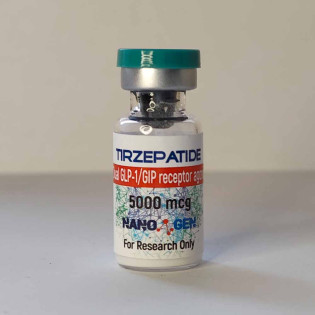
Tirzepatide
69.00€
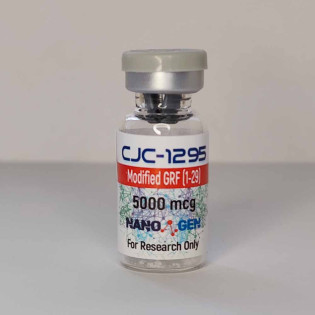
CJC-1295
18.00€
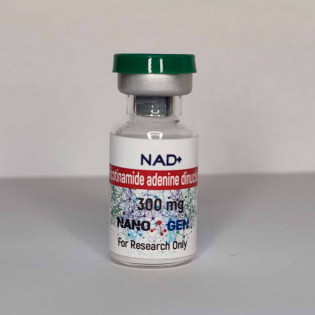
NAD⁺
38.00€