BPC-157
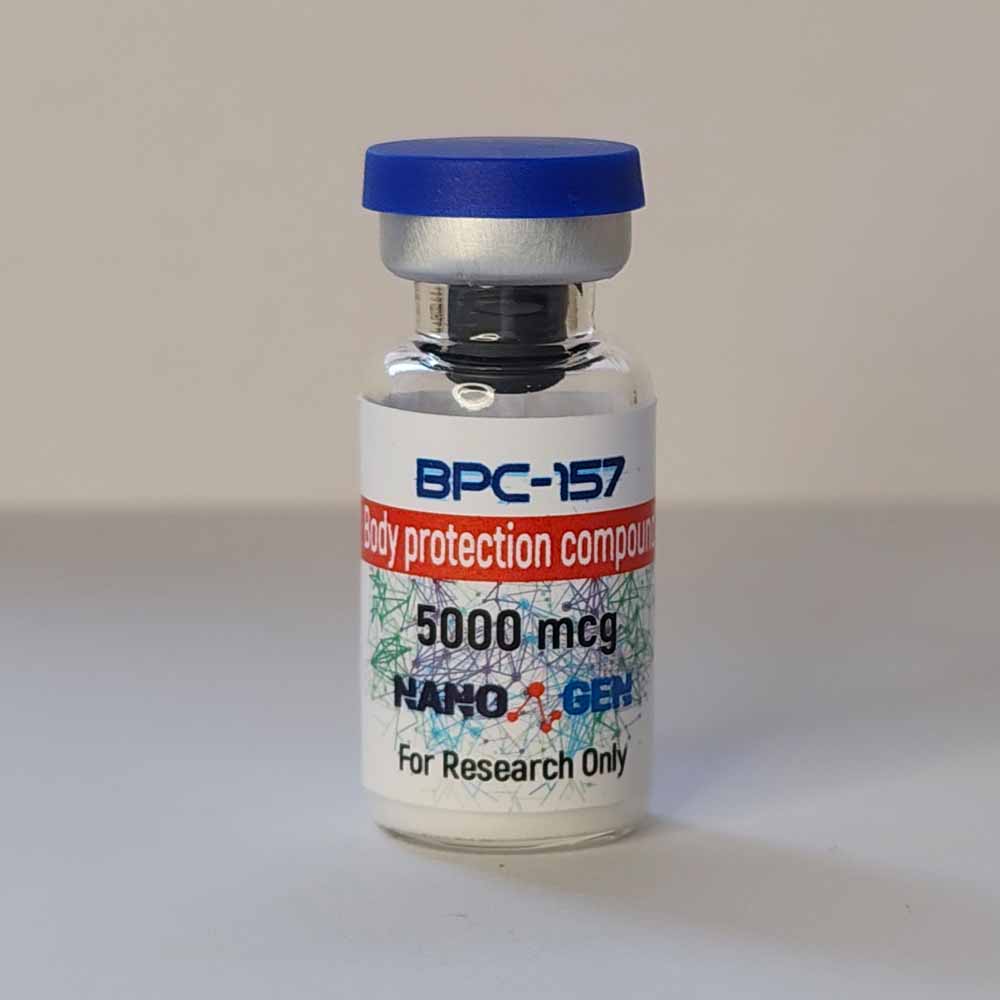
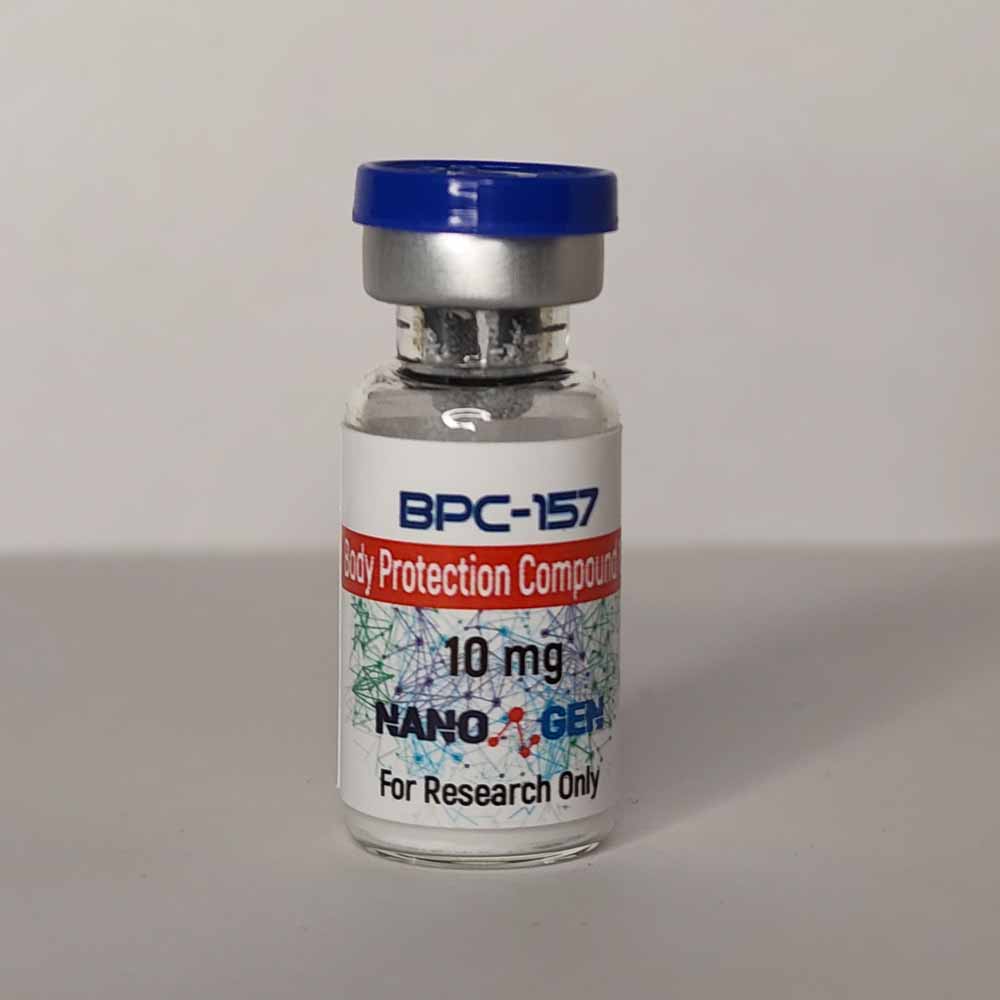
BPC-157 (Body Protection Compound-157) is a synthetic peptide consisting of 15 amino acids and derived from a protein identified in human gastric juice. Interest in this compound emerged in the late twentieth century during research into the protective factors of the gastrointestinal mucosa. Scientists investigating the mechanisms that allow the stomach lining to resist aggressive exposure to hydrochloric acid and proteolytic enzymes isolated protein fragments demonstrating pronounced cytoprotective activity. One of these fragments was designated BPC-157.
The history of its investigation is closely associated with experimental models of tissue injury in animals. During preclinical studies, it was demonstrated that this peptide is capable of accelerating the healing of gastric ulcers, reducing inflammatory reactions, and promoting regeneration in various types of tissues. These findings generated considerable interest among specialists in gastroenterology, traumatology, and sports medicine. However, it is important to emphasize that BPC-157 is not currently registered as an approved medicinal product in most countries and remains classified as an investigational compound.
From a chemical perspective, BPC-157 is a stable peptide resistant to enzymatic degradation within the gastrointestinal tract. Its amino acid sequence provides significant biological activity despite its relatively low molecular weight. It is believed that the peptide interacts with multiple signaling pathways involved in angiogenesis, cellular migration, and regulation of inflammatory responses. In particular, its potential influence on vascular endothelial growth factor (VEGF) expression, nitric oxide pathways, and modulation of oxidative stress has been discussed in scientific literature.
The primary biological properties attributed to BPC-157 include cytoprotective, angioprotective, and regenerative effects. Experimental models have demonstrated accelerated healing of tendons, ligaments, and muscle tissue. A reduction in inflammatory response and tissue edema has also been observed. Additionally, certain studies suggest potential neuroprotective activity, including support of peripheral nerve recovery following injury.
The proposed mechanism of action of BPC-157 appears to be multifactorial. It may contribute to the activation of fibroblasts, the cells responsible for collagen synthesis and extracellular matrix formation. Enhanced angiogenesis — the formation of new blood vessels — improves blood supply to damaged tissues and accelerates the delivery of oxygen and nutrients. Furthermore, the peptide may contribute to stabilization of vascular endothelium and reduction of capillary permeability, which may help decrease inflammatory swelling.
In terms of potential application, BPC-157 is most frequently mentioned in relation to supporting recovery from musculoskeletal injuries, promoting regeneration of gastric and intestinal mucosa, and serving as an adjunct in chronic inflammatory conditions. Within the sports community, it is sometimes discussed as a compound potentially capable of shortening rehabilitation periods following sprains, strains, and microtrauma. However, it must be emphasized that evidence in humans remains limited, and the majority of available data originates from animal studies.
Routes of administration described in research settings vary. In preclinical models, both oral and parenteral forms were used, most commonly subcutaneous or intramuscular injections. The peptide is considered relatively stable when administered orally due to resistance to enzymatic degradation. In informal practice, localized injections near injured tissues have been described, although such approaches lack regulatory approval and are not supported by large-scale clinical trials.
The duration of administration in experimental protocols typically ranged from several days to several weeks, depending on the nature and severity of the injury. In models of acute trauma, treatment courses often lasted seven to fourteen days, whereas chronic injury models involved longer administration periods. Nevertheless, universal standards for dosing and treatment duration have not been established. The absence of large randomized clinical trials prevents the formulation of official recommendations regarding safe and effective use in humans.
The safety profile of BPC-157 remains a subject of scientific discussion. Animal studies have not demonstrated significant toxic effects; however, this does not equate to confirmed safety in humans. Potential theoretical risks may be associated with its influence on angiogenesis, since excessive stimulation of vascular growth could hypothetically affect tumor-related processes. Additionally, parenteral administration carries general risks such as local inflammation or infection at the injection site.
From a regulatory standpoint, BPC-157 is classified in many countries as a research peptide intended exclusively for laboratory investigation. It has not been approved by regulatory authorities such as the FDA or the EMA as a medicinal product. Consequently, any use outside controlled clinical research settings should be regarded as experimental and undertaken with caution.
In summary, BPC-157 represents a biologically active compound with promising regenerative properties demonstrated in preclinical research. Its proposed effects include acceleration of tissue healing, reduction of inflammation, and support of vascular function. However, the absence of large-scale randomized clinical trials means that it cannot currently be considered a fully evidence-based therapeutic agent.
From an academic perspective, further research is required to clarify its molecular mechanisms of action, determine optimal dosing strategies, evaluate long-term safety, and assess potential adverse effects. Only with a sufficient evidence base will it be possible to formulate clinical recommendations. Until such data are available, the use of BPC-157 should be regarded as an experimental direction requiring careful scientific evaluation.