
Tirzepatid
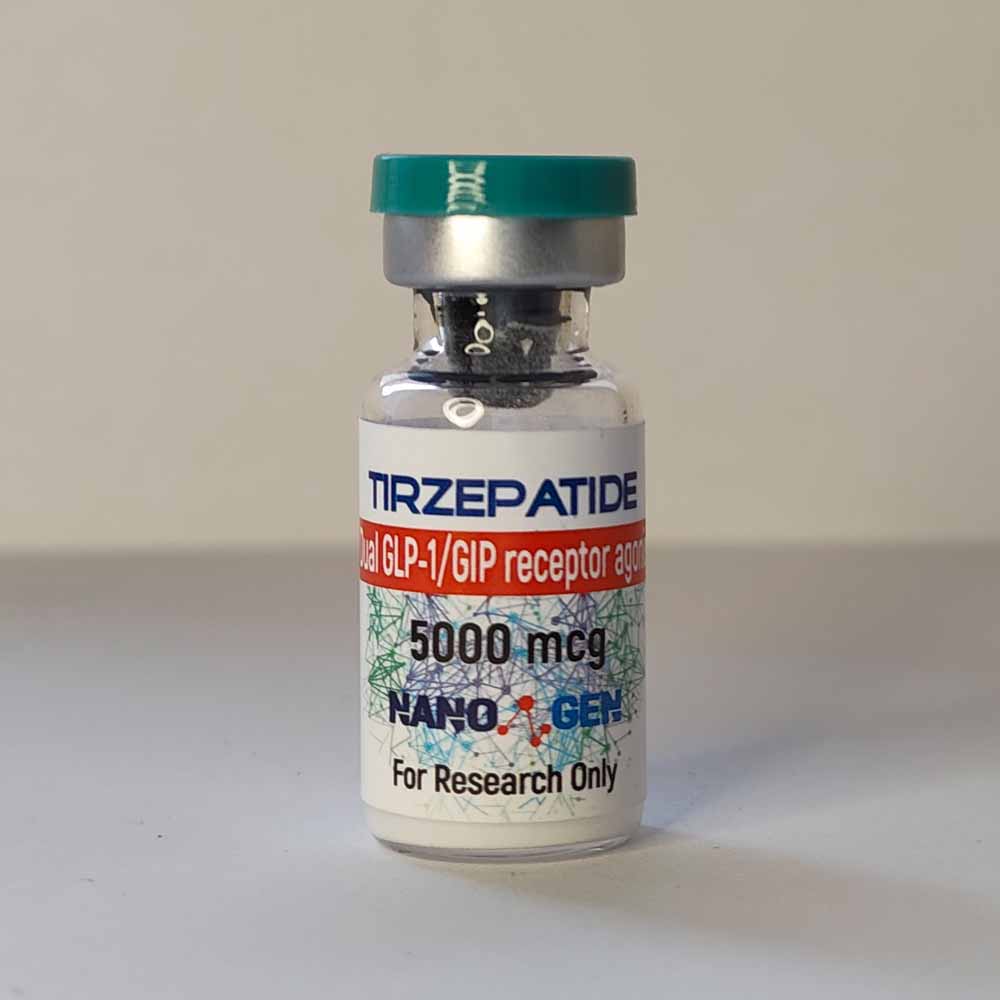
Was ist Tirzepatid?
Tirzepatid (Tirzepatide) ist ein synthetisch hergestellter Wirkstoff mit Peptidstruktur. Seine Wirkung ähnelt der Wirkung von zwei körpereigenen Hormonen – GIP und GLP-1.
Diese Hormone sind an der Regulierung von Appetit, Sättigungsgefühl, Blutzuckerspiegel und verschiedenen Stoffwechselprozessen beteiligt.
Eine besondere Eigenschaft von Tirzepatid besteht darin, dass es gleichzeitig auf GIP- und GLP-1-Rezeptoren wirkt. Dadurch können Sättigungssignale verstärkt werden, das Hungergefühl kann abnehmen und das Sättigungsgefühl nach einer Mahlzeit länger anhalten.
Zusätzlich unterstützt Tirzepatid die Regulierung des Blutzuckers. Steigt der Glukosespiegel nach einer Mahlzeit an, kann Tirzepatid die Insulinausschüttung unterstützen und dadurch zu einer besseren Kontrolle des Blutzuckers beitragen.
Tirzepatid kann außerdem die Magenentleerung verlangsamen. Dadurch bleibt die Nahrung länger im Magen und das Sättigungsgefühl kann länger bestehen.
Einfach erklärt: Tirzepatid kann dazu beitragen, weniger Hunger zu verspüren, schneller satt zu werden und die aufgenommene Nahrungsmenge leichter zu kontrollieren.
Chemische Struktur von Tirzepatid
Tirzepatid ist eine künstlich hergestellte Kette aus Aminosäuren und gehört damit zu den Peptiden. Aminosäuren kann man vereinfacht als kleine „Bausteine“ betrachten, aus denen Proteine und Peptidhormone aufgebaut sind.
Das Tirzepatid-Molekül besteht aus 39 Aminosäuren. Seine Struktur orientiert sich am natürlichen Hormon GIP, wurde jedoch gezielt verändert, sodass das Molekül sowohl an GIP- als auch an GLP-1-Rezeptoren wirken kann.
Zusätzlich besitzt Tirzepatid eine spezielle Fettsäure-Seitenkette. Diese hilft dem Molekül, sich an Albumin im Blut zu binden.
Dadurch wird Tirzepatid langsamer aus dem Körper ausgeschieden und kann über einen längeren Zeitraum wirken.
Einfach ausgedrückt ist Tirzepatid ein speziell verändertes Peptidmolekül aus Aminosäuren, dessen zusätzliche Fettkomponente dazu beiträgt, die Wirkungsdauer im Körper zu verlängern.
Tirzepatid zum Abnehmen
Tirzepatid kann die Gewichtsabnahme unterstützen, da es auf Mechanismen wirkt, die Appetit, Hunger und Sättigung regulieren.
Im Körper wirkt Tirzepatid auf GIP- und GLP-1-Rezeptoren. Diese Systeme sind unter anderem daran beteiligt, dem Gehirn mitzuteilen, dass ausreichend Nahrung aufgenommen wurde.
Dadurch kann eine Person schneller satt werden, nach einer Mahlzeit länger satt bleiben und weniger häufig das Bedürfnis nach Zwischenmahlzeiten verspüren.
Zusätzlich verlangsamt Tirzepatid die Magenentleerung. Die Nahrung bleibt länger im Magen, wodurch das Sättigungsgefühl länger anhalten kann.
Durch den verminderten Appetit kann es leichter werden, Portionsgrößen und die insgesamt aufgenommene Kalorienmenge zu kontrollieren.
Tirzepatid ist kein direkter „Fettverbrenner“. Die Gewichtsabnahme entsteht hauptsächlich dadurch, dass Hunger und Nahrungsaufnahme reduziert werden können.
Wie wirkt Tirzepatid beim Abnehmen?
Tirzepatid unterstützt die Gewichtsabnahme vor allem dadurch, dass es den Appetit reduzieren und ein früheres Sättigungsgefühl fördern kann.
Während einer Mahlzeit kann das Gehirn früher das Signal erhalten, dass ausreichend Nahrung aufgenommen wurde. Dadurch kann eine kleinere Portion ausreichen, um sich satt zu fühlen.
Gleichzeitig wird die Weiterleitung der Nahrung vom Magen in den Darm verlangsamt. Das Sättigungsgefühl kann dadurch länger anhalten und der Wunsch nach häufigen Snacks abnehmen.
Tirzepatid verbrennt Körperfett nicht direkt. Vielmehr kann es dabei helfen, weniger Nahrung aufzunehmen und die tägliche Kalorienzufuhr leichter zu kontrollieren.
Die wichtigsten Effekte sind: weniger Hunger, schnellere Sättigung und ein länger anhaltendes Sättigungsgefühl.
In welchen Formen ist Tirzepatid erhältlich?
Tirzepatid ist hauptsächlich für die subkutane Anwendung bekannt. Das bedeutet, dass die Substanz unter die Haut injiziert wird.
- Fertigpen – enthält eine gebrauchsfertige Lösung zur Injektion.
- Einzeldosis-Autoinjektor – ein vorbereitetes Injektionssystem mit einer einzelnen Dosis.
- Durchstechflasche mit Lösung – eine flüssige Form, aus der die benötigte Menge entnommen werden kann.
- Pulver oder Lyophilisat – eine trockene Form, die unter anderem im Forschungsbereich vorkommen kann.
Wie wird Tirzepatid angewendet?
Tirzepatid wird typischerweise einmal pro Woche subkutan injiziert. Häufig verwendete Injektionsstellen sind Bauch, Oberschenkel oder Oberarm.
Üblicherweise wird mit einer niedrigen Dosis begonnen. Eine häufig verwendete Anfangsdosis beträgt 2,5 mg einmal wöchentlich.
Nach vier Wochen kann die Dosis auf 5 mg einmal wöchentlich erhöht werden. Weitere Dosissteigerungen erfolgen schrittweise.
Die langsame Erhöhung der Dosierung gibt dem Körper Zeit, sich an die Wirkung zu gewöhnen und kann dazu beitragen, Magen-Darm-Beschwerden zu reduzieren.
Wichtige Eigenschaften von Tirzepatid
Reduzierung des Appetits
Tirzepatid beeinflusst Mechanismen, die an der Regulierung von Hunger beteiligt sind. Dadurch kann das Verlangen nach Nahrung geringer werden.
Schnelleres Sättigungsgefühl
Das Gefühl, satt zu sein, kann während einer Mahlzeit früher eintreten. Dadurch kann bereits eine kleinere Portion als ausreichend empfunden werden.
Länger anhaltende Sättigung
Durch die verlangsamte Magenentleerung kann die Nahrung länger im Magen verbleiben und das Sättigungsgefühl länger anhalten.
Kontrolle des Blutzuckerspiegels
Tirzepatid unterstützt verschiedene Prozesse, die an der Regulierung des Blutzuckers beteiligt sind.
Einfluss auf Insulin und Glukagon
Tirzepatid beeinflusst die Insulinausschüttung und die Glukagonregulation und trägt damit zur Kontrolle des Glukosestoffwechsels bei.
Unterstützung bei der Gewichtsabnahme
Die Gewichtsabnahme wird vor allem durch weniger Hunger, frühere Sättigung und eine geringere Nahrungsaufnahme unterstützt.
Doppelte Wirkung GIP + GLP-1
Eine besondere Eigenschaft von Tirzepatid ist die gleichzeitige Wirkung auf GIP- und GLP-1-Rezeptoren.
Nebenwirkungen von Tirzepatid
Tirzepatid kann Nebenwirkungen verursachen. Diese treten besonders häufig zu Beginn der Anwendung oder nach einer Dosiserhöhung auf.
- Übelkeit;
- Erbrechen;
- Durchfall;
- Verstopfung;
- Bauchschmerzen oder Druckgefühl im Bauch;
- Sodbrennen und Aufstoßen;
- verminderter Appetit;
- Schwächegefühl.
Seltener können ernstere Reaktionen auftreten, beispielsweise Probleme mit der Bauchspeicheldrüse oder Gallenblase, Dehydrierung oder starke allergische Reaktionen.
Für wen kann Tirzepatid interessant sein?
Tirzepatid ist besonders für Menschen interessant, die sich mit modernen Möglichkeiten zur Gewichtskontrolle, Appetitregulierung und Blutzuckerkontrolle beschäftigen.
- Menschen mit Übergewicht oder Adipositas;
- Personen, denen es schwerfällt, ihren Appetit zu kontrollieren;
- Menschen mit häufigem Hunger oder starkem Verlangen nach Snacks;
- Personen, die sich für die Wirkung von GIP und GLP-1 interessieren;
- Menschen, die Tirzepatid mit Semaglutid und anderen Peptiden vergleichen;
- Personen, die moderne Ansätze zur Gewichtskontrolle und Stoffwechselregulation untersuchen.
Tirzepatid online kaufen
Wer nach Tirzepatid online kaufen, Tirzepatid kaufen Deutschland oder Tirzepatid online bestellen sucht, findet unterschiedliche Angebote und Produktformen.
Beim Kauf von Tirzepatid online sind insbesondere Produktbeschreibung, Konzentration, Form, Lagerbedingungen und Herkunft wichtige Kriterien.
Je nach Angebot kann Tirzepatid als fertige Lösung, Injektionssystem oder als Produkt für Forschungszwecke erhältlich sein.
Tirzepatid Lieferung in Deutschland
Eine Lieferung von Tirzepatid nach Deutschland kann je nach Anbieter und Produktform in verschiedene Regionen und Städte möglich sein.
Zu den häufig gesuchten Städten gehören:
FAQ – Häufig gestellte Fragen zu Tirzepatid
Was ist Tirzepatid?
Tirzepatid ist ein synthetischer Peptidwirkstoff, der gleichzeitig auf GIP- und GLP-1-Rezeptoren wirkt und dadurch unter anderem Appetit, Sättigung und Blutzuckerregulation beeinflusst.
Kann Tirzepatid beim Abnehmen helfen?
Tirzepatid kann die Gewichtsabnahme unterstützen, indem es den Appetit reduziert, ein früheres Sättigungsgefühl fördert und die Magenentleerung verlangsamt.
Wie oft wird Tirzepatid angewendet?
Tirzepatid wird üblicherweise einmal pro Woche als subkutane Injektion angewendet.
Was ist der Unterschied zwischen Tirzepatid und Semaglutid?
Semaglutid wirkt hauptsächlich auf GLP-1-Rezeptoren. Tirzepatid wirkt gleichzeitig auf GIP- und GLP-1-Rezeptoren.
Ist Tirzepatid ein Fettverbrenner?
Nein. Tirzepatid verbrennt Körperfett nicht direkt. Die Gewichtsabnahme wird hauptsächlich durch die Verringerung von Hunger und Nahrungsaufnahme unterstützt.
Kann man Tirzepatid online kaufen?
Tirzepatid wird online in unterschiedlichen Produktformen angeboten. Verfügbarkeit, Ausführung und Liefermöglichkeiten können je nach Anbieter und Region variieren.
Welche Formen von Tirzepatid gibt es?
Tirzepatid kann als flüssige Injektionslösung, in verschiedenen Injektionssystemen sowie im Forschungsbereich als Pulver oder Lyophilisat vorkommen.
Welche Nebenwirkungen kann Tirzepatid verursachen?
Häufiger können Übelkeit, Durchfall, Erbrechen, Verstopfung und andere Magen-Darm-Beschwerden auftreten.
Wo wird Tirzepatid injiziert?
Tirzepatid wird subkutan injiziert. Häufige Injektionsstellen sind Bauch, Oberschenkel und Oberarm.
Ähnliche Produkte
CagriSEMA
76,00€
MOTS-c peptide
44,00€
Tesamorelin
26,00€
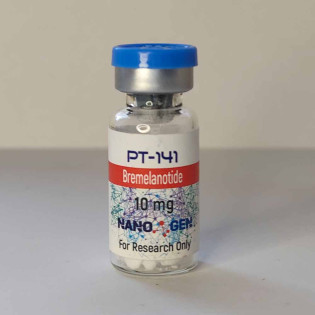
PT-141 (Bremelanotid)
25,00€
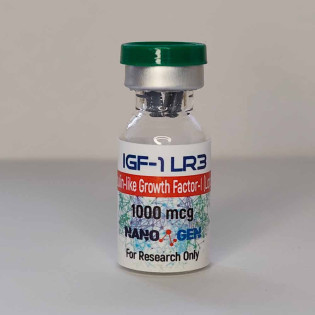
IGF-1 LR3
30,00€
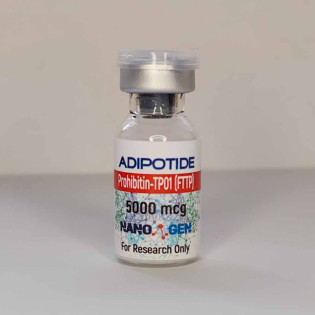
Adipotide
31,00€
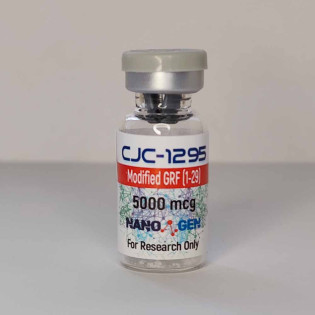
CJC-1295
18,00€
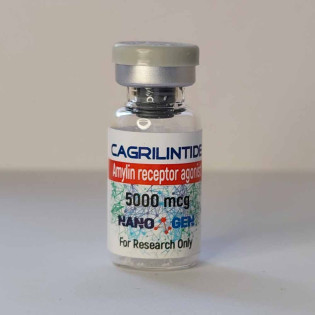
Cagrilintid
91,00€